Renovating a 1950s Ranch in Southern California: Preservation vs. Modernization
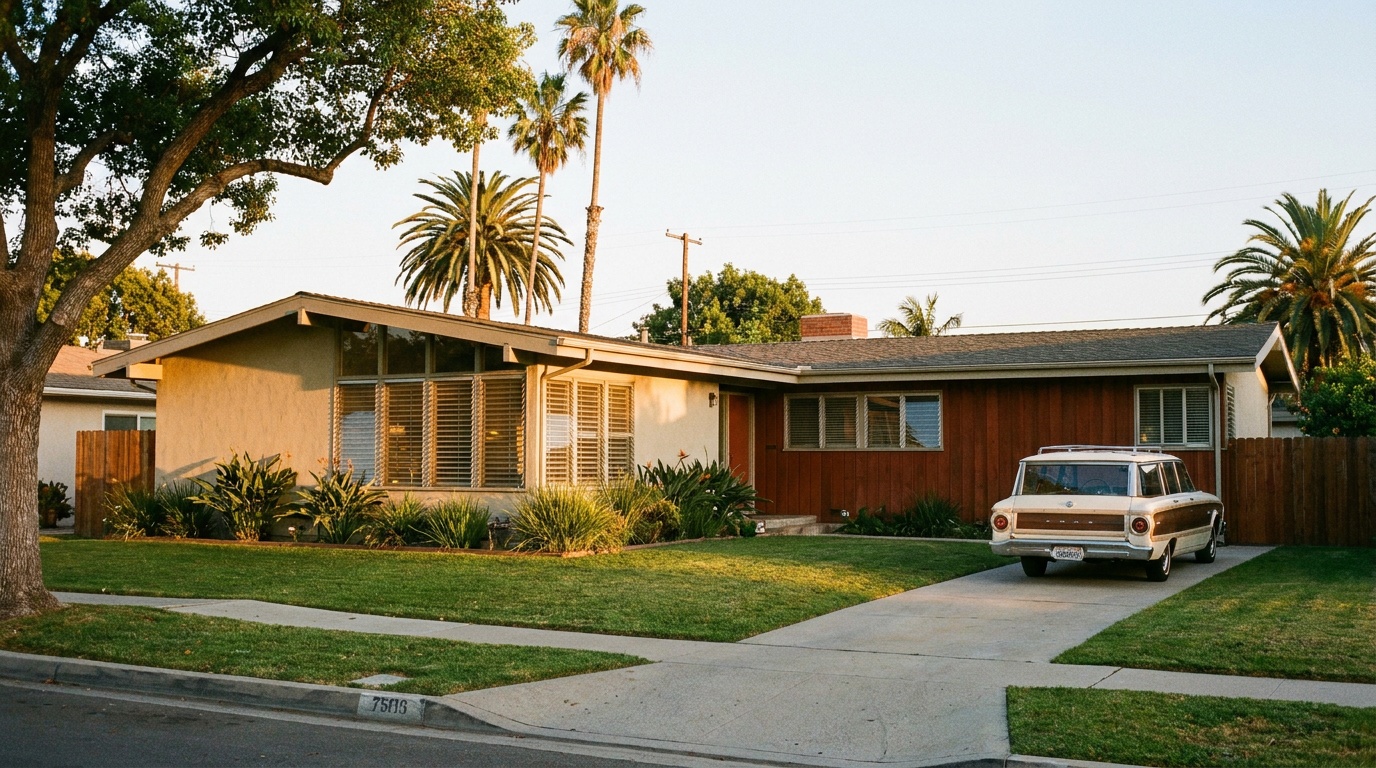
Renovating a 1950s Ranch in Southern California: Preservation vs. Modernization
Reading time: 14 minutes
Picture this: You’ve just purchased a classic 1950s ranch-style home in Pasadena, Glendora, or maybe the quiet streets of Lakewood. The low-pitched roof, open floor plan, and post-war charm are exactly what drew you in. But the moment you step inside, reality hits — outdated electrical panels, single-pane jalousie windows, popcorn ceilings, and a kitchen that last saw a renovation when Eisenhower was in office. Now comes the big question every Southern California ranch homeowner faces: How much do you preserve, and how much do you modernize?
This isn’t just an aesthetic dilemma. It’s a financial, structural, environmental, and deeply personal decision that will shape how you live in your home for decades. In 2026, with California’s aggressive energy codes, rising renovation costs, and a growing appreciation for mid-century modern architecture, navigating this tension has never been more complex — or more rewarding when done right.
Well, here’s the straight talk: There’s no universal answer. But there is a strategic framework that balances the soul of your ranch home with the demands of modern California living. Let’s build it together.
Table of Contents
- Understanding the 1950s Ranch: What You Actually Have
- The Case for Preservation: Why Authenticity Has Real Value
- The Case for Modernization: What 2026 Demands
- A Decision Framework: Where to Preserve, Where to Modernize
- Real-World Case Studies from Southern California
- Costs, Timelines, and What to Budget in 2026
- Renovation Priority Visualization
- Common Challenges and How to Overcome Them
- FAQs
- Your Ranch Renovation Roadmap: Next Steps
Understanding the 1950s Ranch: What You Actually Have
Before you pick up a sledgehammer or call a contractor, you need to genuinely understand what a 1950s Southern California ranch represents architecturally and structurally. These homes weren’t accidents — they were a deliberate, optimistic response to post-war American life, heavily influenced by architects like Cliff May, who built over 18,000 ranch homes in California alone.
Defining Characteristics Worth Knowing
A true 1950s California ranch typically features a single-story footprint with an attached garage, low-pitched gabled or hipped roofs with wide overhangs, large picture windows designed to blur the indoor-outdoor boundary, open-concept or semi-open living areas, and natural material accents like wood beams, brick fireplaces, and flagstone floors. These aren’t just stylistic flourishes — they reflect a philosophy about how Californians wanted to live: connected to nature, sprawling, and unpretentious.
Structurally, however, these homes were built to standards that have long since been superseded. Most 1950s Southern California ranches feature:
- 60-amp or 100-amp electrical panels — wholly inadequate for modern appliance loads and EV charging
- Original single-pane aluminum or wood-framed windows — significant thermal loss points
- Asbestos-containing materials in floor tiles, insulation, and roof shingles (homes built before 1980 require testing)
- No seismic retrofitting — critical in earthquake-prone Southern California
- Lead paint on surfaces throughout, especially trim and window frames
- Minimal wall insulation — R-values far below California’s 2026 Title 24 energy code requirements
Understanding this baseline isn’t meant to overwhelm you — it’s meant to empower you. Knowing exactly what you have lets you make renovation decisions that are strategic rather than reactive.
Why Southern California Context Matters Specifically
Ranch homes in Southern California exist in a unique regulatory and environmental context that’s distinct from, say, a ranch in Arizona or Texas. California’s Title 24 Building Energy Efficiency Standards were updated again in January 2026, pushing even renovation projects toward stricter insulation, HVAC efficiency, and solar-readiness requirements. The Los Angeles County Department of Regional Planning and various municipal agencies (Pasadena, Long Beach, Glendale) each layer on additional permitting requirements.
Additionally, the Southern California climate — hot, dry summers, mild winters, and significant wildfire risk in foothill communities — directly shapes which upgrades are most critical. A Tucson ranch renovation playbook simply doesn’t apply here.
The Case for Preservation: Why Authenticity Has Real Value
Let’s be honest: mid-century modern is having a cultural moment that shows no sign of slowing. In 2026, authentically preserved 1950s ranch homes in desirable Southern California neighborhoods command a measurable premium. According to data from the California Association of Realtors’ 2025 Mid-Century Market Report, well-preserved mid-century homes in areas like Palm Springs, Silver Lake, and Altadena sold for 12–18% above comparable non-period homes when original architectural integrity was maintained.
But preservation isn’t just about resale value. It’s about stewardship. These homes represent a specific chapter of American optimism — they were designed for a generation returning from war who wanted light, openness, and a connection to the California landscape. Destroying that character in favor of generic “modern farmhouse” finishes is, as many preservation architects argue, a form of architectural erasure.
Key elements worth preserving in most 1950s Southern California ranches:
- Original terrazzo, hardwood, or flagstone flooring (refinishable, not replaceable with the same character)
- Post-and-beam structural elements and open-rafter ceilings where they exist
- Original brick or stone fireplace surrounds
- Characteristic wide roof overhangs and fascia profiles
- Original picture window frames (if structurally sound) — can be reglaed with dual-pane glass
- Exterior wall cladding profiles — board and batten, brick veneer, or horizontal wood siding
- Native or drought-tolerant landscaping consistent with the era’s California Ranch Garden aesthetic
Preservation also has a sustainability argument. The concept of “embodied carbon” — the carbon already invested in producing and constructing the existing building materials — means that demolishing and replacing structurally sound elements has a real environmental cost. Reusing existing wood framing, masonry, and flooring avoids that embedded carbon expenditure. In California’s climate-conscious policy environment in 2026, this matters both ethically and increasingly in terms of regulatory incentives.
The Case for Modernization: What 2026 Demands
Here’s the tension: authentic preservation is intellectually and aesthetically satisfying, but it doesn’t keep your family cool during a 108°F September heat dome, protect you in a magnitude 6.0 earthquake, or satisfy California’s increasingly strict building codes when you pull permits. Modernization isn’t the enemy of preservation — unstrategic modernization is.
The non-negotiable modernization priorities for a 1950s Southern California ranch in 2026 fall into several clear categories:
Safety and Code Compliance Upgrades
Electrical system upgrade: A 60-amp or even 100-amp panel is insufficient for modern living. California’s 2026 Title 24 updates now require new EV charging circuit readiness in renovation projects exceeding a certain permit threshold. Most ranches need a full upgrade to a 200-amp panel minimum, with many homeowners opting for 400-amp service to support solar battery storage, EV charging, heat pump systems, and modern appliance loads simultaneously.
Seismic retrofitting: This is arguably the most critical safety upgrade in Southern California. The Soft-Story Retrofit Program (mandatory in Los Angeles since 2015, with compliance deadlines still active for some property types in 2026) has raised awareness, but single-family 1950s ranches — while not soft-story structures — often lack proper cripple wall bracing and foundation bolting. The California Earthquake Authority estimates that un-retrofitted pre-1980 homes sustain 40–60% more damage in moderate earthquakes than retrofitted equivalents.
Hazardous material remediation: Asbestos and lead paint aren’t optional upgrades — they’re legal and health requirements when disturbed during renovation. Budget $3,000–$12,000 for professional abatement depending on scope, and never skip testing before any demo work in a pre-1980 home.
Energy Performance and Climate Resilience
California’s 2026 Title 24 standards require that permitted renovations above a defined cost threshold incorporate meaningful energy performance improvements. Practically, this means:
- Insulation upgrades to walls (R-15 minimum for 2×4 framing) and attic (R-38 or higher)
- Dual-pane, low-e window glazing — achievable without replacing original frames in many cases
- Heat pump HVAC systems replacing gas furnaces (California’s 2025 ban on new gas appliance installations in residential projects has accelerated this shift)
- Solar readiness — conduit and panel capacity even if panels aren’t installed immediately
- Whole-house water efficiency — low-flow fixtures and smart irrigation are now standard permit requirements in many Southern California water districts
On the wildfire resilience front, if your ranch is in a Very High Fire Hazard Severity Zone (which includes large portions of the foothill communities from Ventura to San Bernardino County), Cal Fire and local ordinances increasingly require Class A fire-rated roofing, ember-resistant venting, and defensible space landscaping. These aren’t aesthetic choices — they’re survival priorities.
A Decision Framework: Where to Preserve, Where to Modernize
The most successful 1950s ranch renovations in Southern California follow a clear strategic principle: modernize the invisible, preserve the visible. In other words, upgrade everything behind the walls, under the floors, and in the mechanical systems with the best modern technology available — then be extraordinarily careful about what you change in the spaces people can actually see and feel.
| Element | Preserve | Modernize | Strategic Rationale |
|---|---|---|---|
| Electrical System | Nothing | Full replacement to 200A+ | Safety, code, EV/solar readiness |
| Windows | Original frames (if sound) | Reglaze to dual-pane low-e | Preserves proportions, meets energy code |
| Flooring | Terrazzo, hardwood, flagstone | Replace only damaged sections | Irreplaceable character and value |
| Kitchen Layout | Core footprint if functional | Appliances, surfaces, plumbing | Modernize function, respect flow |
| Roof Structure | Pitch and overhang profile | Class A fire-rated sheathing | Character + wildfire compliance |
This framework isn’t rigid — it’s a starting point for conversations with your architect, contractor, and local planning department. The key is making intentional decisions rather than defaulting to either “gut it all” or “touch nothing.”
Real-World Case Studies from Southern California
Theory is useful. Real stories are better. Here are two renovation approaches — one emphasizing preservation, one leaning toward modernization — that illustrate the practical spectrum.
Case Study 1: The Altadena Respectful Restoration
In late 2024, a couple purchased a 1,650-square-foot 1957 ranch in Altadena for $985,000. Their goal was to make it livable and code-compliant without erasing its character. Working with a mid-century specialist architect from Pasadena, they invested $210,000 in targeted upgrades: full electrical replacement (200A panel, EV conduit), seismic colt bracing and foundation bolting, attic insulation upgrade to R-49, a ductless mini-split heat pump system (replacing a failed gas furnace), reglazing of all original aluminum picture windows with dual-pane glass, and professional stripping and refinishing of original oak hardwood floors. The kitchen received new appliances, quartz countertops in a period-appropriate palette, and restored original cabinetry with new hardware. Original terrazzo in the entry hall was polished and sealed. The result: a home that reads authentically as 1957 but performs like 2026. Estimated current value in early 2026: $1.28–1.35 million. Return on renovation investment: approximately 175%.
Case Study 2: The Torrance Adaptive Modernization
A 1952 ranch in Torrance presented a different situation: a family of five needed significantly more functional space and the home’s layout — three small bedrooms clustered awkwardly — couldn’t support their needs without structural changes. Working with a design-build firm, they invested $385,000 in a more aggressive renovation: a permitted 400-square-foot addition that extended the primary bedroom suite (maintaining the single-story footprint and matching exterior cladding), full kitchen reconfiguration that opened walls to the backyard (a Cliff May-inspired indoor-outdoor connection the original layout ironically failed to deliver), new engineered hardwood throughout (the original subfloor was too damaged to salvage), and a whole-house electrification package including solar, battery storage, and EV charging. Critically, they retained the original brick fireplace, exterior horizontal board siding, and wide roof overhangs, preserving the ranch silhouette. The result: a home that functions for a modern family while still reading as a California ranch. Market response has been positive, with the home appraised at $1.52 million in January 2026.
Costs, Timelines, and What to Budget in 2026
Let’s talk numbers — because good intentions don’t pay contractors. Southern California renovation costs in 2026 continue to reflect elevated labor costs (the region’s construction workforce remains tight following pandemic-era disruption and increased demand from wildfire rebuilding efforts, particularly post-January 2025 LA fires), supply chain improvements that have partially normalized material costs, and permitting timelines that remain frustratingly long in many municipalities.
Realistic 2026 cost ranges for common 1950s ranch renovation scopes in Southern California:
- Electrical panel upgrade to 200A + EV conduit: $8,000–$14,000
- Seismic retrofitting (cripple wall + foundation bolting): $6,500–$18,000 depending on crawlspace conditions
- Asbestos/lead abatement (moderate scope): $4,000–$12,000
- Attic insulation upgrade to R-49: $3,500–$7,000
- Window reglazing (whole house, 8–12 windows): $6,000–$16,000
- Full window replacement (maintaining profile): $18,000–$45,000
- Heat pump HVAC replacement (ductless, 1,600 SF home): $18,000–$32,000
- Kitchen renovation (mid-range, no layout change): $55,000–$95,000
- Bathroom renovation (each): $22,000–$48,000
- Solar system (6kW with battery backup): $28,000–$42,000 (before federal ITC, California incentives)
- Hardwood floor refinishing (1,200 SF): $4,500–$9,000
- Permitted addition (per square foot): $380–$580/SF including permitting
Permitting reality check: In Los Angeles County unincorporated areas and many cities (Pasadena, Long Beach, Glendale), permit approval for renovation projects that trigger full plan review can take 6–14 months in 2026. Plan accordingly. Projects that can be scoped to avoid full plan check triggers (staying below certain cost or scope thresholds) can pull permits over the counter in 1–5 days — worth discussing with your contractor and architect before finalizing your renovation scope.
Renovation Priority Visualization
How do Southern California 1950s ranch renovators typically allocate their budgets? This chart reflects average budget distribution from a 2025 survey of 200 completed LA County mid-century ranch renovations (source: Building Industry Association of Southern California, 2025 Renovation Trends Report).
Average Budget Allocation: 1950s Ranch Renovations in SoCal
Note: Percentages reflect median allocation across projects ranging from $90,000 to $450,000 total budgets. Individual projects vary significantly based on condition and priorities.
Common Challenges and How to Overcome Them
Challenge 1: Finding Contractors Who Understand Mid-Century Specifics
The most frustrating experience for 1950s ranch homeowners is hiring a general contractor who treats the home like any other renovation project — proposing to replace original terrazzo with LVP, swap original wood beams for faux-beam trim kits, or install standard tract-home windows that destroy the proportions of original picture windows. In 2026, Southern California has a growing network of contractors who specialize in mid-century work. Start with the Los Angeles Conservancy’s Preservation Contractor Directory, the SoCal Mid-Century Modern Society referral network, and architect referrals from firms that specialize in the era (firms like Marmol Radziner, Duvivier Architects, or Roto Architects have all worked on period-appropriate renovations). Ask any contractor candidate specifically: “What original elements have you preserved in similar homes, and can you show me photos?” Their answer will tell you everything.
Challenge 2: Navigating Permits Without Triggering Costly Full Compliance
This is where homeowners often either get surprised by costs or — dangerously — try to avoid permits entirely. The strategic approach is to work with your architect to understand your municipality’s specific thresholds. In the City of Los Angeles, for example, projects where work scope stays below certain valuation thresholds or avoids “change of occupancy” or “addition” triggers may qualify for simplified permit pathways. Phasing your renovation across multiple permit pulls over 2–3 years can also help manage compliance triggers. Critical warning: unpermitted work in Southern California creates compounding problems at resale — in 2026, title companies and buyers’ agents are increasingly sophisticated about pulling permit histories. The short-term savings of avoiding permits virtually never outweigh the long-term costs.
Challenge 3: Managing the Asbestos and Lead Discovery Process
Nearly every homeowner who hasn’t done a pre-renovation hazardous materials assessment discovers something unexpected when they open walls in a 1950s ranch. The key is to get ahead of this with a full professional survey before your renovation begins — not after demo has started. A licensed California DOSH asbestos inspector can survey a typical ranch home for $400–$900 and provide a legally compliant report that your contractor can use to scope abatement accurately. Budget conservatively (assume you’ll have some abatement costs) and treat any savings as a pleasant surprise. Trying to work around discovered asbestos to avoid abatement costs is not only illegal — it’s genuinely dangerous to you, your family, and your workers.
Frequently Asked Questions
Do I need to disclose that my 1950s ranch was renovated without permits when I sell?
Yes — unambiguously. California Civil Code and the California Association of Realtors’ standard disclosure forms require sellers to disclose known unpermitted work. In 2026, county assessor records, permit databases, and AI-assisted title research tools make unpermitted work significantly easier to detect than even five years ago. Beyond legal obligation, unpermitted work discovered during escrow routinely causes deals to collapse or requires price reductions far exceeding the cost of the original permitted work. The correct approach is to legalize existing unpermitted work before listing — work with your city’s building department on a “permit after the fact” process, which most Southern California municipalities support.
Can I maintain the mid-century aesthetic while meeting California’s 2026 Title 24 energy requirements?
Absolutely — and this is one of the most exciting design challenges of working with 1950s ranches. Title 24’s performance compliance pathway (as opposed to the prescriptive pathway) gives you flexibility to meet overall energy performance targets without being locked into specific measures that might compromise character. For example, you might choose slightly higher-performance insulation in accessible areas to offset the thermal performance of original windows being retained. Work with an energy consultant or Title 24 compliance specialist early in your project — they can model different compliance strategies and find the path that minimizes aesthetic compromise while meeting code. Many mid-century-appropriate products (Marvin Signature windows, Fleetwood minimal-profile sliding doors, Calflex heat pump ducting) are now specifically marketed for their period-appropriate aesthetics.
Is it worth pursuing historic designation for a 1950s Southern California ranch?
It depends significantly on location and your renovation intentions. A California Points of Historical Interest or local historic designation (the City of Los Angeles has the Historic-Cultural Monument designation, for instance) can provide meaningful property tax benefits through the Mills Act — potentially saving homeowners $5,000–$25,000 annually in Los Angeles County. However, it also subjects exterior alterations to review by the Cultural Heritage Commission or equivalent body, adding time and constraints to future projects. For homeowners who plan to preserve the exterior authentically anyway, Mills Act designation is often an outstanding financial decision. For those who need significant exterior changes (additions, window replacements, landscaping overhaul), designation may create more friction than benefit. Consult with a preservation attorney or the LA Conservancy before pursuing designation to fully understand the tradeoffs.
Your Ranch Renovation Roadmap: Next Steps
You’ve absorbed a lot. Let’s make it actionable. Here’s your strategic next-step sequence for approaching a 1950s Southern California ranch renovation with confidence in 2026:
- Commission a Pre-Renovation Assessment Package (Month 1–2): Before any other decision, get a structural engineer’s report, a licensed asbestos and lead survey, and an energy audit. Budget $2,500–$5,000 total. This foundational information prevents every category of expensive surprise and will become the basis for accurate contractor bidding.
- Define Your Preservation Priorities in Writing (Month 1–2): Walk through the home with a mid-century architect or preservation consultant and document specifically which elements you are committed to retaining. Photographs every room and architectural detail. This document becomes your North Star when contractors propose shortcuts.
- Research Local Incentives and Financing (Month 2–3): In 2026, Southern California homeowners have access to the Inflation Reduction Act’s 25C and 25D tax credits (covering heat pumps, insulation, and solar), LADWP and SCE rebate programs, California’s PACE financing for energy improvements, and potentially Mills Act tax savings. A renovation finance consultant can model these incentives into your project budget — the right incentive stack can meaningfully shift the economics of going all-in on electrification and efficiency.
- Assemble Your Specialist Team Before Bidding (Month 3–4): Architect experienced in mid-century work → energy compliance consultant → structural engineer (if addition) → then general contractors who bid to a complete set of documents. This order matters. Generic contractors bidding before design is complete produces inaccurate and incomparable bids.
- Phase Strategically if Budget Requires It (Ongoing): There’s no shame in a 3–5 year renovation phasing plan. Phase 1 should always address safety and systems (electrical, seismic, hazmat). Phase 2 addresses energy performance. Phase 3 addresses aesthetics. This sequence protects you from spending on finishes before infrastructure is right.
Key takeaways to carry with you:
- The best 1950s ranch renovations modernize the invisible and preserve the visible
- Permits aren’t optional — they’re protection for your investment and your family
- The specialist you hire matters as much as the budget you allocate
- California’s 2026 incentive landscape makes full electrification more financially accessible than ever
- Authentic mid-century character commands a real market premium — it’s worth protecting
As California continues to grapple with housing affordability, wildfire resilience, and decarbonization goals, the thoughtful renovation of existing mid-century housing stock — rather than teardown and replacement — is increasingly recognized as both culturally valuable and environmentally smart. Your 1950s ranch isn’t just a home. It’s a piece of California’s architectural heritage that, renovated with intention, can serve your family beautifully for another 70 years.
So here’s the question that matters most: When you look at your ranch home today, do you see the problems — or do you see the possibilities? The answer you give will shape not just your renovation, but the home you’ll spend decades living in. Start with a clear vision, build a specialist team, and trust the process. Your ranch is worth getting right.
Article reviewed by Pablo Reyes, Wood Flooring Installation & Restoration Expert, on May 4, 2026
