Tankless Water Heater Conversion: A Guide for Older LA Homes
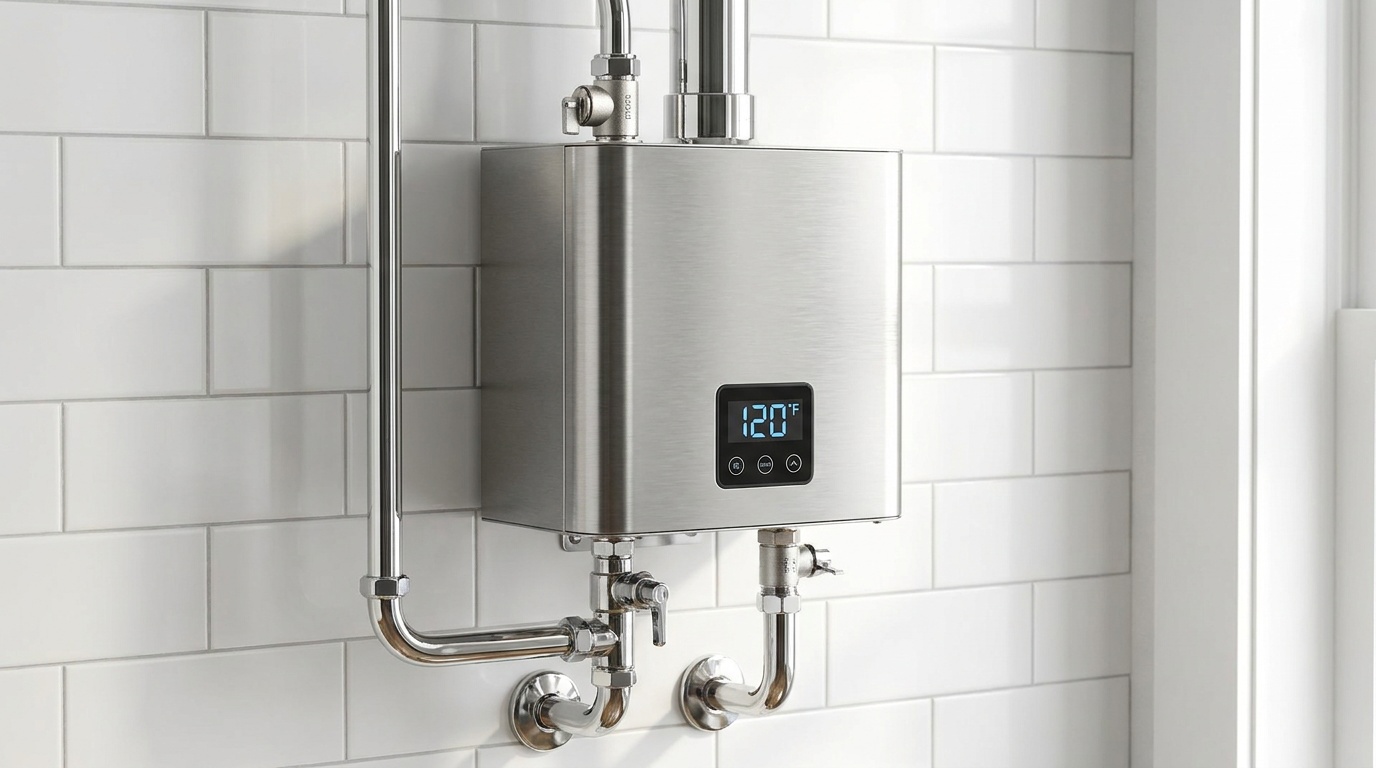
Tankless Water Heater Conversion: A Complete Guide for Older LA Homes
Reading time: 14 minutes
Your 1960s Craftsman bungalow in Silver Lake has charm, character, and—let’s be honest—a 40-gallon tank water heater that’s been quietly draining your wallet for decades. If you’ve ever stood in a cold shower waiting for hot water to reach the back bathroom, or opened a Southern California Gas bill that made your jaw drop, you already know the problem. The good news? In 2026, converting to a tankless water heater has never been more financially compelling or technically accessible for older LA homes.
But here’s the straight talk: this isn’t a plug-and-play upgrade. Older homes in Los Angeles—especially those built before 1980—come with their own set of challenges: undersized gas lines, outdated electrical panels, California’s evolving building codes, and sometimes plumbing that hasn’t seen a wrench since Reagan was in office. Navigating this landscape requires strategy, not just enthusiasm.
This guide is built specifically for LA homeowners dealing with exactly these realities. Whether you’re in a post-war home in Pasadena, a mid-century ranch in Encino, or a Victorian-era property in Angelino Heights, we’ll walk you through what conversion actually involves—costs, permits, pitfalls, and payoffs included.
Table of Contents
- Why LA Homeowners Are Making the Switch in 2026
- How Tankless Water Heaters Actually Work
- The Unique Challenges of Older LA Homes
- Gas vs. Electric Tankless: Which Is Right for You?
- Real Cost Breakdown: Installation in Los Angeles
- Case Studies: Two LA Homeowners, Two Different Experiences
- Permits, Codes, and LA-Specific Regulations
- How to Choose the Right Unit and Contractor
- Frequently Asked Questions
- Your Hot Water Upgrade Roadmap: Next Steps
Why LA Homeowners Are Making the Switch in 2026
Los Angeles has always been at the forefront of energy policy, and 2026 is no exception. SoCalGas rates have climbed an average of 18% since 2023, while LADWP electricity rates, though also rising, have been partially offset by aggressive solar adoption across the region. Simultaneously, California’s updated Title 24 Energy Code—which took effect in January 2025—now requires all newly installed water heaters in residential construction to meet stricter energy efficiency thresholds, pushing more homeowners toward tankless technology.
Beyond regulation, the California Energy Commission reported in early 2026 that nearly 34% of residential energy use in Southern California comes from water heating—more than any other single appliance category. That number climbs even higher in older homes with poor insulation, where standing tanks lose heat to surrounding air continuously.
There’s also the rebate landscape. LADWP’s 2026 Residential Efficiency Rebate Program offers up to $450 for qualifying electric tankless units, and the federal Inflation Reduction Act tax credits—extended through 2032—provide a 30% credit on qualifying heat pump water heater installations, capped at $2,000 per year. That’s real money off a real investment.
The Sustainability Angle
Los Angeles declared a formal Climate Emergency Action Plan update in late 2024, with water heating efficiency listed as a priority residential sector. For homeowners conscious of their carbon footprint, switching from a traditional 40-gallon natural gas tank to a high-efficiency tankless unit can reduce water heating-related carbon emissions by up to 40%, according to Rocky Mountain Institute estimates. If you pair an electric tankless system with existing rooftop solar—increasingly common in LA—you can push that figure even further.
How Tankless Water Heaters Actually Work
Before diving into installation specifics, it helps to understand the fundamental difference in technology. A traditional tank water heater is essentially a large insulated cylinder that continuously heats and reheats water to a set temperature—whether you’re using it or not. This is called standby heat loss, and it’s the silent energy thief in most older homes.
A tankless (or on-demand) water heater, by contrast, activates only when you turn on a hot water tap. Cold water flows through a heat exchanger—powered either by a gas burner or electric heating elements—and exits at your desired temperature, continuously, for as long as you need it. No tank, no standby loss, no running out of hot water mid-shower.
The critical metric to understand is flow rate, measured in gallons per minute (GPM). A standard shower uses about 2.0–2.5 GPM. A dishwasher might demand 1.5 GPM. If your household runs multiple fixtures simultaneously, you need a unit with sufficient total capacity. Most whole-house tankless units designed for Southern California climates (where incoming groundwater temperatures average 68°F–72°F) are rated between 7 and 11 GPM for gas models.
Energy Factor Ratings Explained
When shopping for a tankless unit, you’ll encounter the Uniform Energy Factor (UEF)—the current standard that replaced the older Energy Factor (EF) rating. A higher UEF means greater efficiency. Standard tank heaters typically have a UEF of 0.58–0.65. Mid-range tankless gas units score 0.82–0.93. Premium condensing models can reach 0.96–0.99 UEF—essentially converting nearly all fuel energy into usable heat. Electric tankless units with heat pump technology can exceed a UEF of 3.0, though they require more complex installation.
The Unique Challenges of Older LA Homes
This is where the guide gets genuinely useful—and where most generic articles fall short. Older Los Angeles homes aren’t just “old.” They reflect layers of construction eras, earthquake retrofits, partial remodels, and decades of DIY additions. Each of these histories creates specific upgrade complications.
Gas Line Sizing: The Most Common Obstacle
A traditional 40-gallon tank water heater typically operates on a 3/4-inch gas line with a BTU demand of around 36,000–40,000 BTU/hour. A high-performance tankless unit can demand up to 199,000 BTU/hour at peak—nearly five times more. This means the existing gas line is almost certainly undersized.
In homes built before 1970, you’ll often find half-inch black iron pipe running to appliances, which simply can’t deliver sufficient gas volume for a tankless unit. Upgrading typically involves running new corrugated stainless steel tubing (CSST) or replacing iron pipe segments—a job that requires a licensed plumber and gas fitter, and often a permit from the LA Department of Building and Safety (LADBS).
Budget reality: Gas line upgrades in the LA area average $800–$2,400 depending on run length and accessibility, according to 2026 contractor surveys from HomeAdvisor’s Los Angeles regional data.
Electrical Panel Limitations
If you’re considering an electric tankless unit—especially a heat pump model—your electrical panel capacity becomes critical. Most pre-1980 LA homes were built with 100-amp service panels, sometimes even 60-amp in older craftsman properties. A whole-house electric tankless heater can draw 150–200 amps on its own.
This typically necessitates a panel upgrade to 200-amp service—a project that costs between $3,500 and $7,000 in Los Angeles in 2026, factoring in LADBS permits and utility coordination with LADWP. However, if you’re already considering an EV charger or additional solar capacity, this becomes a worthwhile investment that serves multiple purposes.
Venting and Combustion Air
Gas tankless units require different venting than traditional tank heaters. Many older LA homes used natural draft (atmospheric) venting—essentially a metal flue pipe that exhausted upward through the roof. Tankless units require direct vent or power vent systems, which often means new concentric PVC or stainless steel vent pipes running horizontally through an exterior wall. In homes where the water heater is in a central utility closet or hallway, routing these pipes can be genuinely complex and add $300–$900 in labor.
Seismic Strapping and Placement
California law requires water heaters to be strapped to wall studs for earthquake safety—a rule that’s been on the books since 1986 but is frequently cited during LADBS inspections. When you pull a permit for your tankless conversion (which you should—more on this later), inspectors will verify proper mounting. Tankless units are wall-mounted, which actually makes seismic compliance easier than with floor-standing tanks, but the wall structure must be adequate to support the unit’s weight (typically 40–80 lbs).
Gas vs. Electric Tankless: Which Is Right for You?
This is one of the most consequential decisions in your conversion project, and the answer depends heavily on your specific home, existing infrastructure, and long-term goals.
| Factor | Gas Tankless | Electric Tankless | Heat Pump (Electric) |
|---|---|---|---|
| Upfront Cost (Unit + Install) | $2,500–$4,800 | $1,200–$2,800 | $3,500–$6,500 |
| Annual Operating Cost (LA avg.) | $280–$420 | $390–$560 | $160–$240 |
| Typical Lifespan | 18–22 years | 15–20 years | 12–15 years |
| Federal Tax Credit (2026) | None (gas) | Limited | 30% up to $2,000 |
| Ideal For | Existing gas infra., high demand | Point-of-use, small homes | Solar owners, electrification goals |
For most older LA homes that already have natural gas service—which is the majority of pre-1980 properties—a condensing gas tankless unit remains the most practical whole-house solution in 2026. It minimizes infrastructure changes while delivering immediate efficiency gains. However, if you’re on a clear path toward full home electrification (as many LA homeowners are ahead of the city’s 2035 carbon goals), investing in electrical panel upgrades now and pairing a heat pump water heater with solar makes compelling long-term sense.
Real Cost Breakdown: Installation in Los Angeles
Let’s talk numbers with the specificity this decision deserves. The following reflects 2026 market rates in the greater Los Angeles area, drawing from contractor pricing data and permit records from LADBS.
Typical Total Cost Ranges for Older LA Homes
Component Cost Visualization – Gas Condensing Tankless Conversion
Total realistic range for a typical older LA home: $2,850–$6,450. After LADWP rebates and applicable federal tax credits, net cost can drop to $2,100–$4,800. Most homeowners in LA recoup this investment within 6–9 years through reduced energy bills, based on current SoCalGas rates.
Pro Tip: Get at least three itemized bids from licensed C-36 plumbing contractors. In LA’s competitive market, prices can vary by 35–40% for identical scope. Always verify CSLB license status at cslb.ca.gov before signing anything.
Case Studies: Two LA Homeowners, Two Different Experiences
Maria and David: The Silver Lake Craftsman Success Story
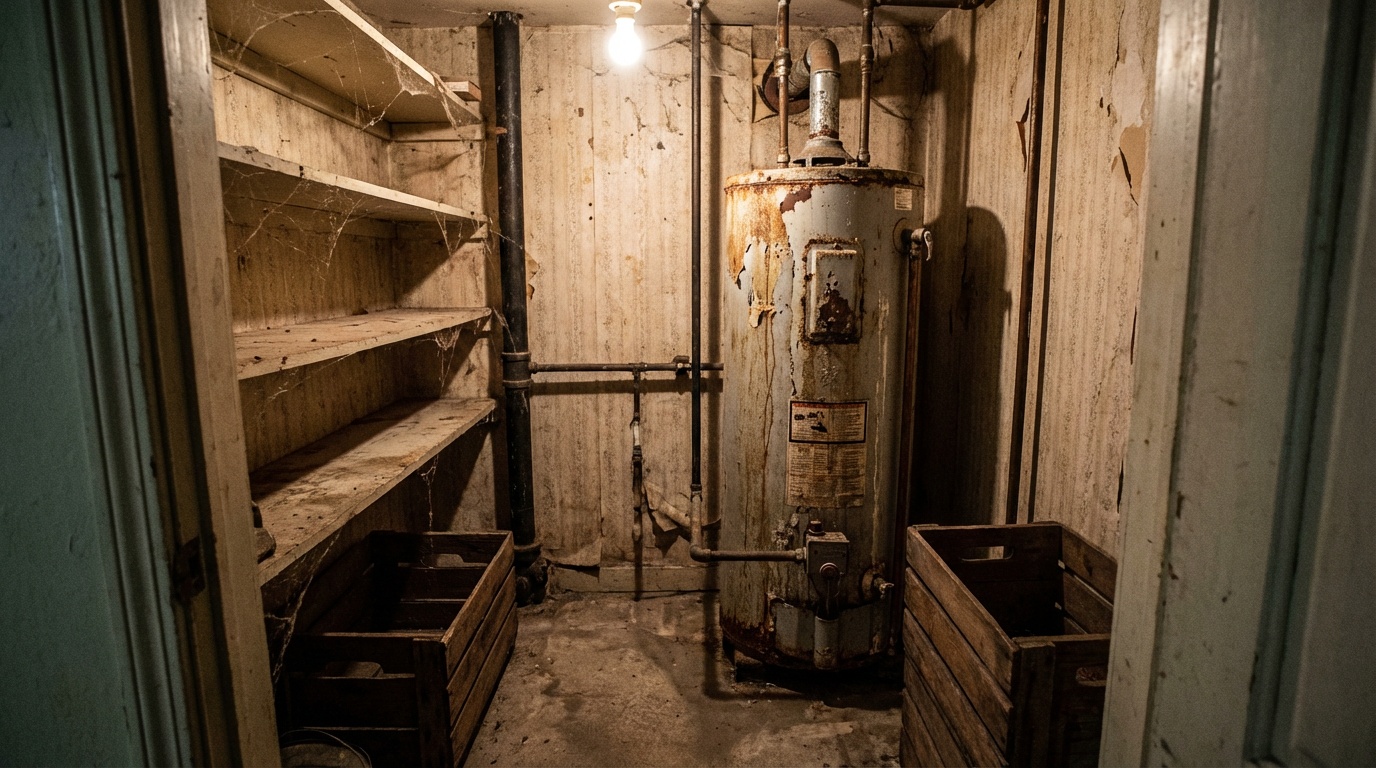
Maria and David purchased their 1928 Craftsman bungalow in Silver Lake in 2019. By early 2025, their original 40-gallon gas tank—installed by a previous owner sometime in the 2000s—finally failed. Rather than replace like-for-like, they decided to convert.
Their main challenge: the home’s original half-inch gas line ran through finished walls, and the water heater closet was positioned centrally with limited exterior wall access for venting. Their contractor recommended a Navien NPE-240A condensing tankless unit—one of the most popular models in the LA market for its compact design and recirculation pump compatibility.
Total project cost came in at $5,200, including gas line rerouting through the crawlspace (which added $1,400 to the project), new concentric venting through the laundry room exterior wall, and LADBS permit fees. After a $450 LADWP rebate, their net investment was $4,750. Their monthly gas bill dropped from an average of $87 in winter months to $52—a savings of approximately $420 annually. Maria reports: “The endless hot water was the first thing we noticed. We have two teenagers. The old tank just couldn’t keep up.”
James: The Echo Park Electrification Strategy
James owns a 1948 Spanish-style home in Echo Park and had been planning a full home electrification project since 2024. He already had 14 solar panels on his roof and was adding an EV charger. When his water heater showed signs of failure in mid-2025, he decided to go full electric with a Rheem ProTerra 65-Gallon Heat Pump Water Heater—technically a hybrid tank/heat pump system rather than a true inline tankless unit, but functionally similar for his household.
His 100-amp panel was already being upgraded to 200-amp service for the EV charger, which made the water heater project dramatically more cost-effective. Incremental cost for the water heater portion: $2,900 (unit + installation labor). He qualified for the full $2,000 federal heat pump water heater tax credit under the IRA extension, bringing his net cost to $900. With solar covering most of his daytime electricity use, his water heating cost is now effectively near zero during peak solar hours. “The timing of the panel upgrade made everything line up,” James noted. “If I’d done these projects separately, I would have paid an extra $3,000 easily.”
Key lesson from both cases: Context determines strategy. Maria’s situation called for gas optimization; James’s called for electrification leverage. Neither approach is universally superior—the right answer depends on your home’s specific infrastructure and your broader energy goals.
Permits, Codes, and LA-Specific Regulations
This section could save you thousands of dollars and prevent significant legal headaches. Many LA homeowners attempt to skip permits on water heater replacements to save time and money. In 2026, this is a particularly risky move.
The Los Angeles Department of Building and Safety (LADBS) requires a permit for all water heater replacements—including like-for-like tank swaps, not just conversions. For a tankless conversion that involves gas line modifications, venting changes, or new electrical circuits, permits are non-negotiable. The fee structure for 2026 ranges from $147 for a basic replacement permit to $340+ for more complex projects with multiple trade permits (plumbing + mechanical).
Why does this matter so much? Three critical reasons:
- Insurance: An unpermitted water heater installation can void your homeowner’s insurance claim if a fire or water damage incident is traced to the appliance.
- Real estate transactions: In 2025, the California Association of Realtors updated its disclosure requirements, and unpermitted work on water heaters and HVAC is now specifically listed as a required disclosure item—a red flag for buyers.
- Safety: Gas line work done without permits and inspection has contributed to carbon monoxide incidents in the region. LA County data from 2024 showed 23 reported CO-related incidents linked to improperly vented gas appliances—a preventable tragedy.
Quick note on California’s building energy code: Title 24 Part 6 (effective 2025) mandates that replacement water heaters in existing buildings meet a minimum UEF of 0.82 for gas units above 55 gallons. For tankless units, minimum UEF requirements are 0.87 for residential applications. Most premium tankless units far exceed this threshold, but it’s worth confirming the specific model you’re purchasing meets the standard before your inspector arrives.
How to Choose the Right Unit and Contractor
With a market flooded by options, narrowing down the right unit for an older LA home comes down to four factors: BTU capacity, flow rate, venting compatibility, and brand support infrastructure in Southern California.
The top three brands consistently favored by LA-area plumbing contractors in 2026 are Navien, Rinnai, and Noritz. All three have authorized service networks throughout the LA basin, which matters considerably for long-term maintenance and warranty claims. For households of 3–5 people with typical simultaneous demand (two showers + a dishwasher), a 9–10 GPM model is the sweet spot.
Red Flags When Hiring a Contractor
Not all plumbing contractors in LA are equal, and tankless installations require specific experience. Watch out for these warning signs:
- Any contractor who suggests skipping the permit “to save you time”
- Vague or verbal-only quotes without itemized labor and material breakdowns
- Inability to provide CSLB license number and current insurance certificates
- No familiarity with LA-specific gas pressure requirements (SoCalGas delivers at 7″ WC to residential meters—your contractor should know this)
- Suggesting an undersized unit to hit a lower price point without discussing flow rate calculations
Ask potential contractors directly: “Have you done tankless conversions in homes with similar age and construction to mine?” A good contractor will welcome the specificity and share relevant experience. A red-flag contractor will give you a generic answer about all homes being “basically the same.”
Frequently Asked Questions
Will a tankless water heater work with low water pressure in older LA homes?
This is a valid concern. Most tankless units require a minimum incoming water pressure of 30 PSI to activate the flow sensor. Older LA homes—particularly those in hillside neighborhoods with aging supply infrastructure—can sometimes see pressure dips below this threshold. The solution is typically a pressure booster pump ($400–$800 installed), which your contractor should assess for during the site visit. LADWP reports that average residential water pressure in LA ranges from 45–80 PSI across most service areas, so the majority of homes won’t face this issue—but it’s worth verifying with a simple gauge test before you buy.
How do I handle hard water scale buildup in my tankless unit, given LA’s notoriously hard water?
Los Angeles tap water averages 300–450 mg/L of total dissolved solids—considered very hard—and this is the number one maintenance issue for tankless water heaters in the region. Without treatment, calcium deposits can build up in the heat exchanger within 18–24 months, reducing efficiency and potentially voiding your warranty. The industry-standard solution is annual descaling (flushing with white vinegar or citric acid solution, $150–$250 professionally done) combined with a whole-house water softener or a dedicated descaler on the cold inlet to the tankless unit ($200–$800 installed). Budget for this maintenance upfront—it’s not optional in LA.
Can I keep a small tank in addition to the tankless unit to avoid recirculation lag in a large older home?
Absolutely, and this hybrid approach is actually quite popular in larger older LA homes where the distance between the water heater and distant fixtures (a back bedroom or detached garage bathroom) creates a long wait for hot water. A small 5–10 gallon “mini-tank” point-of-use water heater installed near the furthest fixture costs $250–$500 installed and eliminates the lag without the energy cost of running a full recirculation loop. Alternatively, many premium tankless units (including Navien’s ComfortFlow line) have built-in recirculation pumps with smart scheduling that can be programmed to pre-heat the pipes before your typical morning use. Both solutions work well—the hybrid mini-tank approach is simpler and cheaper; the built-in recirculation system is more elegant but more expensive upfront.
Your Hot Water Upgrade Roadmap: Next Steps
You’ve absorbed a lot of information. Let’s convert it into a clear action plan. The shift toward efficient, on-demand water heating isn’t just a home improvement trend—it’s part of a broader LA transition toward building electrification and climate resilience that will reshape residential energy use throughout the 2020s. Getting ahead of this curve in 2026 means better rebates, better contractor availability, and more choices.
Here’s your practical five-step roadmap:
- Assess your current infrastructure (Week 1): Measure your gas line diameter, locate your electrical panel and confirm amperage, and photograph your current water heater setup including venting. This 30-minute audit will tell you immediately whether you’re in a “straightforward conversion” or “significant upgrades needed” scenario.
- Get three itemized contractor quotes (Weeks 2–3): Use the red-flag checklist from this guide. Request CSLB license numbers. Ask each contractor to specify exactly what gas line and venting work will be needed for your specific home. Compare apples to apples.
- Check your rebate eligibility (Week 2, parallel): Visit LADWP’s website for current rebate applications, and consult a tax professional about IRA credits if you’re considering a heat pump option. Document everything—receipts, model numbers, installation dates.
- Pull your permit through LADBS (before installation): This can now be done online for most water heater projects through the LADBS Online Permit Counter. Your contractor should handle this, but confirm it’s done before work begins.
- Schedule annual descaling maintenance: Set a calendar reminder for your first descaling service 12 months after installation. This single habit will extend your unit’s lifespan by 5–8 years in LA’s hard water environment.
Key Takeaways:
• Older LA homes almost always require gas line upgrades—budget for it upfront.
• Permits aren’t optional and skipping them creates real financial and safety risk.
• Gas condensing tankless units offer the best ROI for most existing gas-served LA homes in 2026.
• Hard water maintenance is non-negotiable in Los Angeles—factor it into your long-term cost analysis.
• Timing your conversion with other electrification projects (panel upgrade, solar, EV charger) dramatically improves cost efficiency.
Your older LA home deserves an upgrade that respects its history while preparing it for the next 30 years. A properly installed tankless water heater does exactly that—quietly, efficiently, and without ever running cold in the middle of your shower again. So here’s the question worth sitting with: Is your current water heater working for your home, or is your home working around your water heater? The answer will tell you everything you need to know about whether now is the right time to make the switch.
Article reviewed by Pablo Reyes, Wood Flooring Installation & Restoration Expert, on May 4, 2026
