Attic Insulation and Window Film for Summer Heat Control
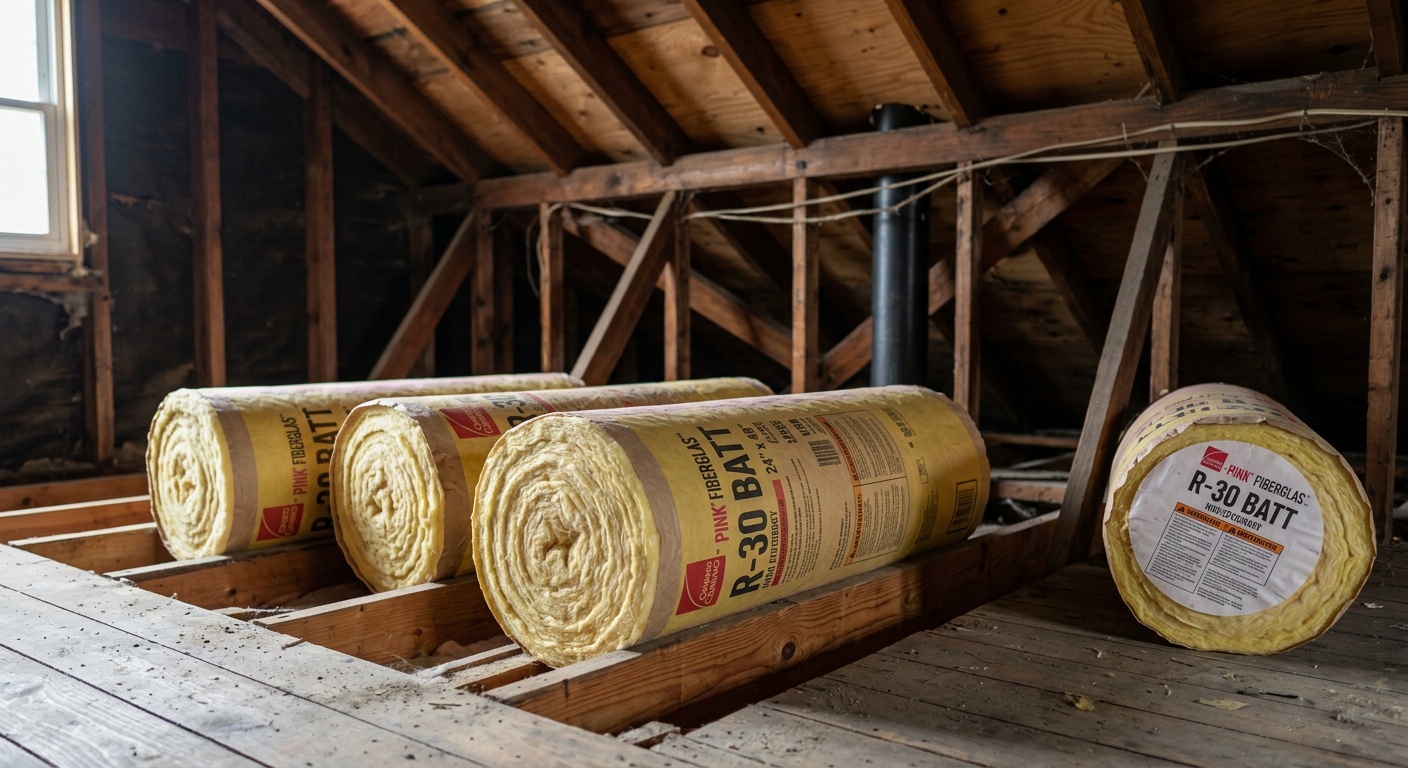
Attic Insulation and Window Film for Summer Heat Control: Your Complete 2026 Guide
Reading time: 14 minutes
It’s July. Your air conditioner is running nonstop. Your energy bill looks like a small car payment. And despite all that effort, your upstairs bedroom still feels like a sauna. Sound familiar?
Here’s the hard truth: most homeowners are fighting summer heat from the wrong angle. They crank up the AC instead of stopping the heat before it enters their home in the first place. In 2026, with average US residential electricity costs hitting $0.17 per kWh — a 12% increase from 2023 — the case for proactive thermal management has never been stronger.
The good news? Two of the most cost-effective weapons in your arsenal are already widely available: attic insulation upgrades and window film installation. Together, they form a thermal defense system that keeps summer heat out, reduces your cooling load dramatically, and pays for itself faster than you might expect.
This guide breaks down exactly how each solution works, how they complement each other, what real-world results look like, and how to make smart decisions for your specific home.
Table of Contents
- Understanding the Summer Heat Problem
- Attic Insulation: Your First Line of Defense
- Window Film: Stopping Heat Before It Enters
- Comparing Your Options: Insulation vs. Window Film
- The Combined Approach: Why Both Works Best
- Common Challenges and How to Overcome Them
- Frequently Asked Questions
- Your Summer Heat Control Action Plan
Understanding the Summer Heat Problem
Before we dive into solutions, let’s talk about where summer heat actually comes from — because the answer might surprise you. Most homeowners assume poor insulation means heat just “seeps in” through walls. In reality, summer heat gain is a multi-channel attack on your home’s comfort.
According to the US Department of Energy’s 2025 Residential Energy Report, here’s how heat enters a typical single-family home during summer:
- Roof and attic: 25–35% of total heat gain
- Windows and glazing: 25–30% of total heat gain
- Walls: 15–20%
- Air infiltration: 10–15%
- Floors and other sources: 5–10%
Notice something? The attic and windows together account for 50–65% of your summer heat problem. That’s why addressing these two areas delivers the most dramatic comfort improvements per dollar spent.
Think about it this way: your roof absorbs solar radiation all day. On a hot summer afternoon, a dark asphalt shingle roof can reach surface temperatures of 150–170°F (65–77°C). Without adequate insulation, that heat radiates directly into your attic space and eventually into your living areas. Meanwhile, unprotected windows act like solar collectors, flooding rooms with infrared radiation and raising indoor temperatures even when the room itself feels air-conditioned.
The 2026 Climate Reality
In 2026, summer heat management isn’t just about comfort — it’s becoming a health and financial necessity. The National Oceanic and Atmospheric Administration (NOAA) confirmed that 2025 was the third consecutive year with above-average summer temperatures across the continental United States. Extended heat waves in the Southwest, Southeast, and even traditionally temperate Pacific Northwest regions are pushing cooling demands to new highs.
For homeowners, this translates to average summer cooling costs between $400–$900 per season in warmer climates, according to the Energy Information Administration’s 2025 Residential Energy Consumption Survey. Improving attic insulation and installing quality window film can realistically cut those costs by 20–40%.
Attic Insulation: Your First Line of Defense
If you’ve ever gone into your attic on a summer afternoon, you already understand the problem viscerally. Attic temperatures regularly hit 130–150°F during peak summer hours. Without a proper thermal barrier between that scorching attic air and your living space, your ceiling essentially becomes a giant radiant heater pointed directly at your head.
Types of Attic Insulation for Summer Heat Control
Not all insulation is created equal, and the right choice depends on your existing conditions, budget, and goals. Here’s a practical breakdown of the main options available in 2026:
Blown-In Fiberglass or Cellulose
This is the most common upgrade for existing homes. Blown-in insulation fills gaps and irregular spaces effectively, making it ideal for attics with existing insulation that needs topping up. Cellulose (made from recycled paper treated with fire retardant) offers an R-value of approximately R-3.7 per inch, while fiberglass blown-in achieves around R-2.2 to R-2.7 per inch. For most US climate zones, the DOE recommends a total attic insulation value of R-38 to R-60.
Spray Foam Insulation
Spray polyurethane foam (SPF) is the premium option, offering both insulation and air sealing in one application. Closed-cell spray foam achieves R-6 to R-7 per inch and creates a near-perfect vapor barrier. It’s particularly effective in hot-humid climates where moisture management is as important as thermal resistance. Costs have come down roughly 8% since 2023 due to manufacturing improvements, making it more competitive in 2026.
Radiant Barriers
Often overlooked, radiant barriers are a game-changer specifically for summer heat control. Unlike conventional insulation that slows conductive heat flow, a radiant barrier (essentially reflective foil installed in the attic) reflects radiant heat from the hot roof deck before it even reaches your insulation. In sunny climates, radiant barriers can reduce attic temperatures by 20–30°F and cut cooling costs by an additional 5–10% on top of insulation improvements.
Pro Tip: In warm climates, combining a radiant barrier with blown-in insulation often delivers better ROI than upgrading to spray foam alone. The radiant barrier handles the radiation component; the insulation handles conduction.
Real-World Case Study: A Phoenix Home Transformation
Consider the experience of a homeowner in Phoenix, Arizona — one of the hottest urban environments in the US. In spring 2025, they had a contractor assess their 1990s-era home. The attic had only R-11 insulation, well below the DOE recommendation of R-49 to R-60 for Climate Zone 2.
The upgrade plan included:
- Adding blown-in cellulose to bring total insulation to R-49
- Installing a radiant barrier on the underside of the roof deck
- Air sealing all penetrations around recessed lights and HVAC ducts
Total project cost: $3,200. Results in summer 2025: average monthly electricity bill dropped from $340 to $218 — a savings of $122/month during the four-month peak cooling season. That’s $488 in first-year savings, with a projected payback period of under seven years, not accounting for rising energy prices that will accelerate the return.
Insulation R-Value Recommendations by Climate Zone (2026)
The DOE updated its climate zone recommendations in 2024 to reflect changing temperature patterns:
- Zone 1–2 (Hot, Humid/Dry — Florida, Texas, Arizona): R-49 to R-60
- Zone 3–4 (Mixed — Carolinas, Tennessee, Pacific NW): R-38 to R-49
- Zone 5–6 (Cool — Midwest, Mountain West): R-38 to R-49
- Zone 7–8 (Very Cold — Northern Minnesota, Alaska): R-49 to R-60
Window Film: Stopping Heat Before It Enters
While attic insulation slows heat that’s already overhead, window film addresses a completely different heat pathway: solar radiation entering directly through your glass. Windows are thermally transparent by design — great for light and views, but problematic when the sun is essentially beaming infrared energy into your living room all afternoon.
Modern window film technology in 2026 is remarkably sophisticated. It’s no longer the dark, mirror-like tint of the 1990s. Today’s films use nano-ceramic technology and spectrally selective coatings to block heat while preserving visible light, meaning your rooms stay bright without becoming solar ovens.
How Window Film Works: The Science Made Simple
Solar energy arrives at your windows in three forms:
- Visible light (about 44% of solar energy)
- Near-infrared radiation (about 53% of solar energy — the primary heat component)
- Ultraviolet radiation (about 3% — responsible for fading and skin damage)
A quality spectrally selective window film selectively blocks 40–60% of near-infrared radiation and up to 99% of UV radiation while allowing 70–80% of visible light to pass through. The result: a room that stays bright but dramatically cooler. The key metric to look for is Total Solar Energy Rejected (TSER) — quality films in 2026 achieve TSER values of 50–75%.
Types of Window Film Available in 2026
Nano-Ceramic Film
The current gold standard for residential applications. Ceramic films use nano-particles of non-metallic materials to block heat without interfering with electronic signals (important if you use cellular boosters, GPS, or have keyless entry systems). They offer excellent heat rejection, high clarity, and long lifespans of 15–20 years. Brands like Llumar CTX, 3M Ceramic Series, and Solar Gard Panorama have expanded their residential lines significantly in 2025–2026.
Dual-Reflective Film
These films have a moderately reflective exterior appearance (reducing glare and heat gain) while maintaining a clear, non-reflective interior view. Ideal for south- and west-facing windows that receive the most direct afternoon sun. TSER values typically reach 60–70% for the best performing dual-reflective products.
Low-E Window Film
Low-emissivity films work similarly to Low-E coated glass in new windows, reflecting interior heat back in during winter while blocking summer solar gain. They’re a smart year-round solution for homeowners in mixed-climate zones who want a single film that helps with both heating and cooling seasons.
Real-World Case Study: Austin, Texas Office-Turned-Home
A homeowner in Austin converted a sunroom into a home office in late 2024. The room featured large south- and west-facing windows — beautiful, but making the space unusable from noon to evening during summer without aggressive air conditioning. They installed 3M Thinsulate Climate Control 80 film on all glass surfaces in February 2025.
Results by summer 2025:
- Room temperature at 3 PM dropped from an average of 89°F to 76°F without changing AC settings
- Visible light transmission remained at 74% — the room felt bright and pleasant
- UV blocking at 99.9% — no more fading of furniture and flooring
- Estimated annual cooling cost reduction for the room: $180–$220
- Total film installation cost: $1,100 — projected payback under six years
Comparing Your Options: A Clear-Eyed Look at the Numbers
Let’s get specific. Here’s a comparative table examining the key metrics for attic insulation upgrades versus window film installation for a typical 2,000 sq ft home in a warm US climate:
| Metric | Attic Insulation Upgrade | Window Film (Whole Home) | Combined Approach |
|---|---|---|---|
| Typical Install Cost | $1,800 – $4,500 | $900 – $2,500 | $2,700 – $7,000 |
| Cooling Cost Reduction | 15–25% | 10–20% | 25–40% |
| Avg. Payback Period | 5–10 years | 4–8 years | 6–10 years |
| Lifespan / Durability | 20–40+ years | 15–20 years | Varies by component |
| DIY Feasibility | Moderate (blown-in) | Possible but tricky | Partial DIY possible |
Heat Reduction Impact Visualization
Here’s a visual comparison of estimated cooling load reduction by improvement type, based on DOE and ENERGY STAR data for warm-climate homes in 2025–2026:
Estimated Cooling Load Reduction (%)
The Combined Approach: Why Both Works Best
Here’s where the strategy gets interesting. Attic insulation and window film don’t just add together — they multiply each other’s effectiveness. Here’s why:
When you improve attic insulation, you reduce the heat load coming from above. Your AC system has less work to do, so it cycles less frequently. When you add window film, you reduce the solar heat that enters at eye level. Your thermostat doesn’t swing as dramatically when the afternoon sun hits your west-facing living room. Together, your HVAC system operates in a smaller temperature differential, which means longer intervals between cycles, better humidity control, and significantly longer equipment life.
HVAC longevity matters more than most homeowners realize. Replacing a central air conditioning system in 2026 costs between $5,500 and $12,000. By reducing thermal load through insulation and window film, homeowners routinely extend HVAC lifespans by 3–7 years — a hidden financial benefit that often surpasses the direct energy savings.
Think of it this way: insulation is your defensive lineman keeping the bulk of the heat out from above, while window film is your cornerback intercepting the fast-moving solar radiation coming through the glass. You need both positions to win the game.
Common Challenges and How to Overcome Them
Challenge 1: Existing Attic Obstructions and Air Sealing Gaps
Many homeowners discover that simply adding more insulation doesn’t solve the problem because air infiltration — not just conduction — is allowing conditioned air to escape and hot attic air to seep in. Recessed lighting fixtures, HVAC ductwork, attic access hatches, and wiring penetrations are common culprits.
Solution: Before adding insulation, invest in a professional air sealing assessment. A blower door test (typically $200–$400) can identify exactly where your home is leaking. In many cases, spending $300–$600 on air sealing delivers faster ROI than adding more insulation alone. In 2026, the Inflation Reduction Act tax credits (extended through 2032) still cover 30% of air sealing and insulation costs, making professional air sealing even more financially attractive.
Challenge 2: Choosing the Wrong Window Film Darkness Level
A common mistake is selecting window film based on aesthetics or price rather than performance specifications. Many homeowners in 2026 still confuse darkness with heat rejection. A very dark film may block visible light but perform poorly on infrared heat rejection, while a nearly clear nano-ceramic film can reject 55–60% of solar heat.
Solution: Focus on three numbers when evaluating window film:
- TSER (Total Solar Energy Rejected): Higher is better for heat control. Aim for 50%+ for south/west-facing windows.
- VLT (Visible Light Transmission): How much light passes through. 50–80% keeps rooms bright.
- UV Rejection: Should be 99%+ for any quality film to protect furnishings.
Challenge 3: Budget Constraints and Prioritization
Many homeowners want to do everything but face real budget limitations. The question becomes: where do you start to get the most impact?
Solution: A tiered approach based on your home’s specific profile.
- If your attic has less than R-19: Prioritize insulation first. The gap between current performance and what’s possible is enormous.
- If your attic is already at R-30+: Window film may deliver better marginal returns, especially if you have large, unshaded south or west-facing windows.
- Tightest budget (under $1,500): Air sealing plus a radiant barrier is often the highest-impact combination you can achieve in this range.
Quick Check: Does your home have single-pane windows? If yes, window film is almost certainly your fastest payback improvement, as single-pane glass conducts heat dramatically more than double-pane. A quality film on single-pane glass can bring its thermal performance closer to entry-level double-pane.
Frequently Asked Questions
Will window film make my rooms too dark?
This is the most common concern, and in 2026, it’s largely outdated. Modern nano-ceramic and spectrally selective films are specifically engineered to reject heat-causing infrared radiation while allowing the majority of visible light to pass through. For example, a high-performance ceramic film with 70% VLT (visible light transmission) will make a room appear very slightly dimmer than no film — barely noticeable to most people — while still rejecting 50–60% of solar heat. The key is choosing the right product: ask your installer specifically for films with high VLT (above 60%) combined with high TSER (above 50%). You can have both brightness and heat control with modern film technology.
How do I know if my attic insulation needs upgrading?
There are several tell-tale signs beyond the obvious “my house is hot.” If you can see the tops of your attic floor joists poking above the insulation, you almost certainly need more — adequate insulation should be well above joist level. If your upstairs rooms are consistently 5°F or more warmer than downstairs, that’s a strong signal. A simple infrared thermometer (available for under $30) can help you measure ceiling temperatures on hot days; a ceiling temperature above 85°F suggests significant heat transfer from above. The most definitive answer comes from a professional energy audit, which typically costs $150–$400 but can identify all thermal weak points in your home simultaneously. Many utilities offer subsidized audits — check with your provider, as many US utilities expanded free audit programs in 2025–2026.
Can I install window film myself to save money?
DIY window film installation is technically possible, but the results vary significantly based on skill level and preparation. The main challenges are avoiding air bubbles, dust contamination between the film and glass, and cutting the film accurately to size — especially on irregularly shaped windows. For small bathroom or bedroom windows, DIY kits from brands like Gila or BDF can work reasonably well and cost $30–$80 per window. For large living room windows, picture windows, or high-value glass where appearance matters, professional installation is strongly recommended. A professional uses specialized squeegees, slip solutions, and has the experience to handle film on large panes cleanly. Professional installation also typically comes with a warranty (5–15 years depending on the brand) that DIY applications won’t qualify for. If budget is the primary concern, consider DIYing smaller, less visible windows while hiring professionals for the main living spaces.
Your Summer Heat Control Action Plan: Start This Week
You now have the knowledge. Here’s how to turn it into action — a practical roadmap you can begin implementing immediately, regardless of your budget or timeline.
Step 1: Assess Your Starting Point (This Week — Free)
Grab an infrared thermometer and spend 20 minutes measuring ceiling temperatures in your hottest rooms around 2–4 PM on a sunny day. Check your attic insulation depth visually. Note which windows have direct sun exposure in the afternoon. This baseline costs nothing and tells you exactly where to focus.
Step 2: Claim Your Tax Credits Before You Spend (This Month)
The current 25C federal tax credit covers 30% of insulation and air sealing costs up to a lifetime limit of $1,200, and window film may qualify under certain energy-efficiency criteria. Consult a tax professional or review the IRS Energy Efficient Home Improvement Credit guidelines updated for 2026 before committing to any project.
Step 3: Get 3 Quotes and Ask the Right Questions (Within 30 Days)
For insulation, ask contractors specifically about air sealing as a package. For window film, ask installers to show you TSER and VLT specifications for the products they recommend — not just price. Request to see samples in natural light before committing.
Step 4: Prioritize by Impact, Not Cost (Your Decision Framework)
If your attic is under-insulated, start there. If your attic is already adequate, shift budget to window film on south and west-facing glass. If you can do both, sequence insulation first so your newly efficient attic can fully benefit from the reduced window heat gain.
Step 5: Measure and Optimize Post-Installation
After installation, repeat your baseline measurements. Compare utility bills month-over-month (accounting for weather differences). Most homeowners notice immediate comfort improvements; measurable energy savings typically appear on bills within one to two billing cycles.
Here’s the bigger picture: as energy costs continue rising and summers grow more intense, homes that are thermally optimized will not only be more comfortable and cheaper to run — they’ll carry measurably higher market value. Real estate studies from 2025 showed that documented energy efficiency upgrades, including insulation and window treatments, add 2–5% to home resale value in competitive markets.
The question isn’t whether upgrading your attic insulation and window film is worth it. The evidence is clear that it is. The real question is: how much longer are you willing to pay premium prices for a home that’s working against you every summer?
Your house can be your coolest asset — literally. The tools to make it happen are available, the economics make sense, and in 2026, there’s no better time to take control of your thermal environment.
Article reviewed by Pablo Reyes, Wood Flooring Installation & Restoration Expert, on July 15, 2026
